
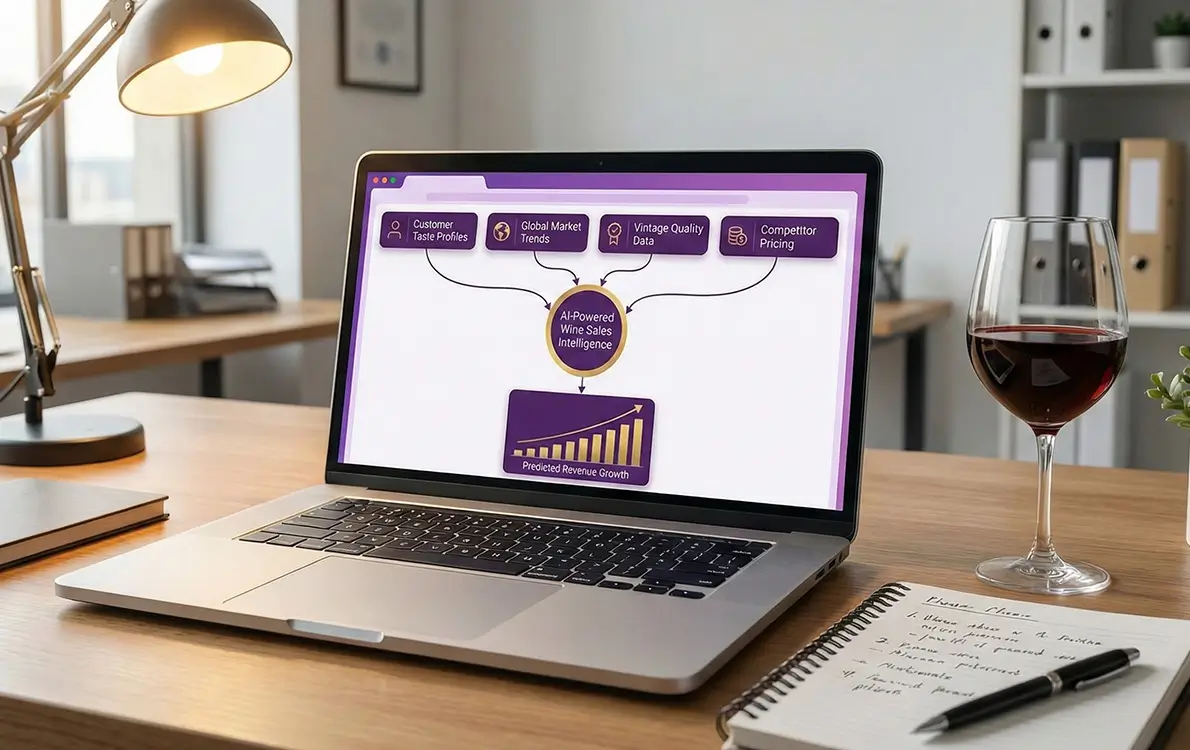
How synthetic testing and digital twins are changing marketing
For years, marketing has been fundamentally reactive.
We launch content.
We watch performance.
We optimize after the fact.
Even the most data-driven organizations are still learning after dollars are spent, impressions are served, and decisions are already in motion. The tools have evolved, but the operating model hasn’t.
That’s starting to change.
What’s emerging is a shift toward predictive intelligence… using AI not just to optimize what exists, but to understand what will work before it goes live. At the center of that shift are synthetic testing platforms and digital twins.
The Shift: Testing Before the Market
Traditional testing happens in the real world.
A campaign launches.
A page goes live.
Signals trickle in over weeks or months.
Synthetic testing flips that model.
Instead of testing in-market, teams can now test in a clean, controlled, simulated environment… introducing content, messaging, structure, or experience variations to AI-driven agents that represent different types of customers. This isn’t guesswork or generic modeling. It’s grounded in real inputs: behavioral research, historical performance, persona frameworks, market data, and decision-making patterns — all used to simulate how different audiences are likely to respond before launch.
What Are Digital Twins, Really?
A digital twin is a modeled representation of a real-world decision-maker.
Not an average user…
Not a generic persona slide…
But a dynamic profile that reflects:
When combined into a synthetic testing environment, these digital twins allow teams to observe how different customer types engage with content, messaging, and experiences… without waiting for real-world exposure. In effect, you’re creating a digital twin universe of your market.
Why This Matters Now
Personalization, relevance, and speed have become table stakes… but they’re expensive to execute in the real world. Testing multiple approaches across roles, regions, languages, or channels takes time, budget, and operational complexity. And by the time insights arrive, the opportunity has often passed. Synthetic testing changes the economics. By modeling customer response upfront, teams can:
It’s not about replacing human judgment — it’s about making better decisions earlier.
From Optimization to Prediction
This is the real shift… Most marketing tools help you optimize after performance is known. Synthetic testing platforms help you predict outcomes before risk is introduced. Instead of asking, “How did this perform?” You start asking, “What should we launch — and why?” Instead of reacting to results, you design toward them. That mindset change alone alters how teams plan, prioritize, and collaborate.
Beyond Marketing: A Strategic Capability
Once a synthetic testing environment exists, its value expands quickly. It can inform:
What begins as a marketing capability evolves into a broader decision-support system, one that reduces uncertainty across strategy, messaging, and innovation.
How This Is Starting to Show Up in Real Work
This way of thinking isn’t theoretical anymore. Forward-looking teams are beginning to incorporate lightweight versions of synthetic testing into how they plan, design, and validate work — even before full platforms are built. That might look like:
Small steps, applied thoughtfully, can meaningfully improve outcomes long before anything is labeled “AI-driven.”
Where This Is Headed
Synthetic testing and digital twins won’t stay novel for long. As AI becomes embedded in workflows, the ability to test ideas before committing resources will become an expectation… not a differentiator. The organizations that benefit most won’t be the ones chasing AI for novelty. They’ll be the ones using it to learn faster, reduce risk, and make smarter decisions earlier.
That’s the real opportunity.
Not louder marketing.
Not faster marketing.
But marketing that’s informed… before it matters most.

